 Mila Jansen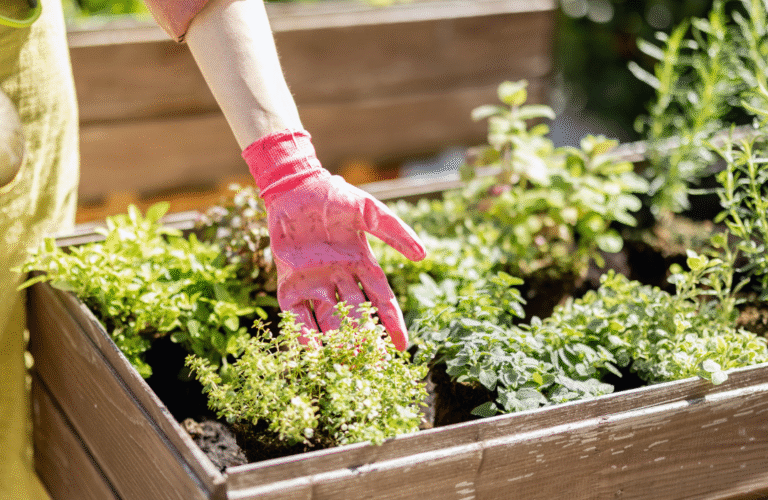
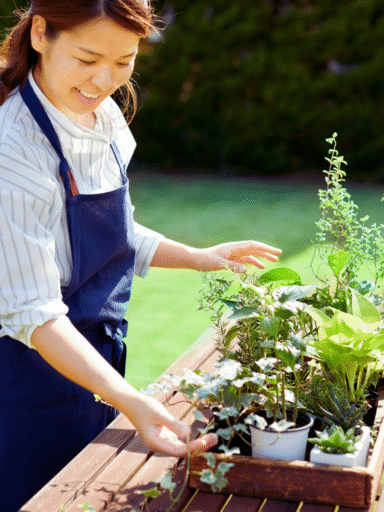
Growing herbs at home is a simple and rewarding way to enhance cooking and add fresh flavours to everyday meals. Many herbs require minimal space, light, and care, making them perfect for beginners looking to start their own indoor or outdoor garden.
The key to successfully growing herbs is choosing the right varieties, providing adequate sunlight, and maintaining consistent watering. She or he does not need specialised tools or a large garden to get started.
With a bit of guidance and patience, anyone can cultivate herbs that thrive, improving both the kitchen experience and home environment. This guide will cover straightforward steps to help newcomers feel confident in their gardening journey.
Choosing the Best Herbs to Grow at Home
Selecting the right herbs depends on the space available, cooking preferences, and gardening skills. Understanding their growth habits and care requirements helps in making better choices suited to your home environment.
Popular Herbs for Beginners
Herbs like basil, parsley, chives, and mint are ideal for beginners. They grow quickly and require minimal care, making them forgiving for new gardeners.
Basil thrives in warm, sunny spots and is widely used in cooking. Parsley prefers partial shade and moist soil, suitable for indoor or outdoor pots.
Chives can tolerate light shade and need regular watering. Mint grows vigorously but can become invasive, so it’s best grown in containers. Other reliable options include oregano, thyme, and dill, all flavourful and easy to cultivate.
Factors to Consider When Selecting Herbs
Sunlight, space, and intended use are key factors when choosing herbs. Most herbs need at least 4-6 hours of sunlight daily, though some, like mint and lemon balm, tolerate shade.
Soil type matters; well-drained soil suits Mediterranean herbs such as rosemary, thyme, and lavender. Fresh herbs for cooking, like cilantro and basil, benefit from richer, consistently moist soil.
Herbs should match your climate and indoor conditions to ensure robust growth. Also consider the herb’s mature size to avoid overcrowding, especially when growing multiple varieties in small spaces.
Annuals, Biennials, and Perennials
Understanding herb life cycles helps in planning your garden. Annual herbs like basil and cilantro complete their life cycle in one growing season and require replanting each year.
Biennials such as parsley take two years to complete their cycle, with leafy growth in the first year and flowers in the second.
Perennial herbs, including rosemary, sage, thyme, and lavender, live for several years. They tend to need less replanting and offer a longer-lasting supply of homegrown herbs.
Knowing these categories allows gardeners to organise planting schedules effectively and maintain continuous fresh herbs.
Creating Your Herb Garden: Indoors and Outdoors
Setting up an herb garden requires attention to location, soil quality, container choice, and design. These factors affect the health and growth of herbs regardless of whether they are grown inside or outside.
Choosing the Right Location
Herbs need at least 4 to 6 hours of direct sunlight daily. For outdoor gardens, a sunny spot sheltered from strong winds is ideal. South-facing areas usually provide the best light exposure.
Indoors, placing herbs near a south or west-facing window helps maximise natural light. If natural light is insufficient, using grow lights can support healthy growth.
Temperature matters; most herbs thrive between 18°C and 24°C. Avoid areas with drafts or sudden temperature changes, such as near heaters or air conditioners.
Soil and Potting Mix Essentials
Herbs require well-drained soil to prevent waterlogging and root rot. Outdoor herb gardens benefit from a balanced soil mix rich in organic matter with a neutral to slightly acidic pH (6.0 to 7.0).
For growing herbs indoors or in containers, use a high-quality potting mix designed for herbs or vegetables. These mixes retain moisture while allowing excess water to drain effectively.
Adding perlite or coarse sand improves drainage. Avoid heavy garden soil indoors, as it often compacts and restricts root growth.
Container Gardening Tips
Choose containers with drainage holes to prevent standing water, which harms herb roots. Terracotta pots are excellent because they are porous and allow air movement.
The size of the container should match the herb’s root system. Small herbs like thyme need smaller pots, while larger herbs like basil need bigger containers.
Group herbs with similar water and light needs together. Label pots clearly to keep track of varieties. Regularly check moisture levels; herbs prefer moist but never soggy soil.
Designing an Indoor Herb Garden
An indoor herb garden should be accessible and well-lit. Using windowsills or specialised plant stands maximises space. Vertical gardens or hanging pots are also effective for small areas.
Consider herbs commonly used in cooking for indoor growing, such as basil, parsley, and mint. These thrive well under the right light and temperature conditions.
Incorporate consistent watering schedules and rotate plants periodically for even light exposure. Using trays with pebbles underneath pots can help maintain humidity without overwatering roots.
Planting and Caring for Your Herbs
Healthy herbs need the right start, balanced watering, and regular care. Paying attention to planting methods and avoiding common errors helps maintain fresh herbs throughout the growing season.
Starting from Seeds, Cuttings, or Plants
Herbs can be grown from seeds, cuttings, or purchased young plants, each offering different advantages. Seeds allow for a wider variety but require patience and precise conditions, such as moist soil and consistent warmth.
Cuttings provide a faster route to mature plants and are ideal for woody herbs like rosemary and thyme. Simply snip a healthy stem and place it in water or damp compost until roots appear.
Buying young plants is easiest for beginners. They establish quickly and reduce the risk of early mistakes. Choose sturdy, pest-free plants and transplant them into well-draining soil with plenty of sunlight.
Watering and Feeding Requirements
Most herbs prefer evenly moist soil but dislike soggy conditions. Water when the top 1-2 cm of soil feels dry. Overwatering can cause root rot, especially in annual herbs.
Feed herbs every 4-6 weeks with a balanced, diluted fertiliser. Excess nitrogen promotes leaf growth but can reduce flavour intensity. Slow-release fertilisers or organic options like compost tea suit most herbs.
Adjust watering and feeding to the specific type of herb. Mediterranean varieties such as oregano need less frequent water, while fresher, leafy herbs like basil require more moisture.
Common Mistakes to Avoid
One frequent mistake is poor drainage, which leads to waterlogged roots and fungal diseases. Ensure pots have drainage holes or soil mixes contain perlite or sand.
Another error is overcrowding plants. Herbs need room for air circulation to prevent mould. Thin seedlings or space plants 15-30 cm apart, depending on the herb’s size.
Ignoring light requirements is common. Most herbs require at least six hours of direct sunlight daily. Growing herbs indoors without adequate light will result in leggy, weak plants.
Pruning and Maintenance
Regular pruning encourages bushier growth and extends the herb’s productive life. Pinch back the tips of annual herbs like basil and parsley before they flower to maintain flavour.
Remove any yellowing or damaged leaves to prevent disease spread. For woody herbs, prune lightly after flowering to keep them compact and healthy.
Harvest smartly by cutting stems above a leaf node to stimulate new shoots. Avoid stripping the entire plant to let it recover and continue producing fresh herbs.
Harvesting and Preserving Homegrown Herbs
Harvesting herbs at the right time ensures maximum flavour and vitality. Preserving them correctly extends their usability through drying or freezing, depending on the herb type and intended use.
When and How to Harvest Herbs
Herbs are best harvested in the morning, once the dew has evaporated but before the sun gets too hot. This timing captures the highest concentration of essential oils.
Shears or scissors should be used to cut just above a pair of leaves or a leaf node. This encourages bushier regrowth and prevents damaging the plant.
For leafy herbs like basil and parsley, pick the outer leaves first. Woody herbs such as rosemary and thyme can be trimmed lightly, avoiding over-harvesting more than one-third of the plant at a time.
Drying Herbs for Long-Term Storage
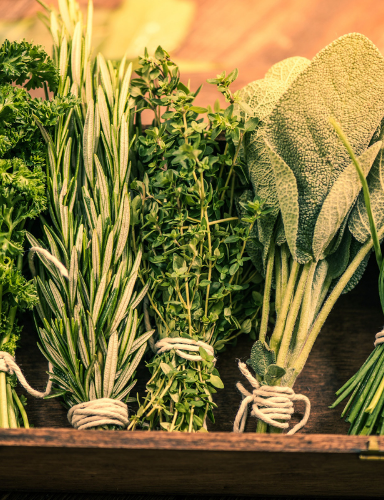
Dry herbs thoroughly by tying small bunches and hanging them upside down in a dry, dark, and well-ventilated space. This method preserves flavour and prevents mould.
Once brittle, leaves can be crumbled and stored in airtight containers away from light and heat. Label containers with the herb name and drying date.
Alternatively, a food dehydrator set to low heat (around 35-40°C) speeds up drying without burning delicate leaves. Avoid using a microwave or oven, as too much heat may degrade flavour.
Freezing Herbs for Freshness
Freezing maintains the herb’s fresh flavour and colour more effectively than drying, especially for soft herbs like basil and chives.
Herbs can be chopped and placed in ice cube trays with water or olive oil. Once frozen, transfer cubes to labelled freezer bags for individual portion use.
Whole leaves or sprigs can be spread on a tray, flash-frozen, then stored in airtight bags to prevent clumping. Frozen herbs should be used within 6 months for optimal flavour retention.