 Mila Jansen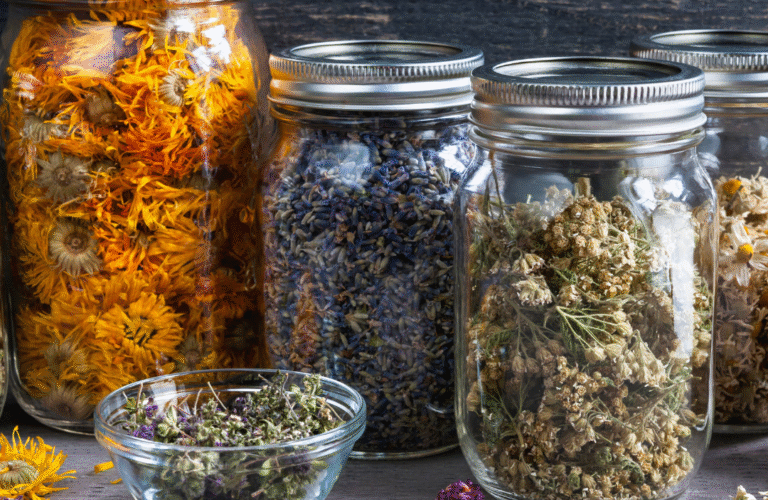
Properly storing dried herbs ensures they maintain their flavour and potency for as long as possible. The key to safe storage is keeping herbs in airtight containers, away from light, heat, and moisture. This prevents them from losing aroma and reduces the risk of contamination.
Using dried herbs correctly means knowing when and how to add them to dishes to maximise their taste. Many people underestimate the impact of storage and timing on the quality of herbs, which affects the final flavour of their meals.
By understanding simple storage techniques and usage tips, anyone can extend the shelf life of dried herbs and enhance their cooking. This article will guide readers on how to handle dried herbs in a practical and effective way.
Optimal Storage Conditions for Dried Herbs
Maintaining dried herbs’ potency depends largely on controlling their environment. Key factors include temperature, humidity, and light exposure, which impact essential oils and freshness.
Controlling Temperature and Humidity
Dried herbs should be stored at a cool, stable temperature, ideally between 15°C and 21°C. High temperatures accelerate the loss of essential oils, reducing flavour and aroma.
Humidity must be kept low, ideally below 15%, to prevent mould growth. Excess moisture causes herbs to deteriorate quickly and lose their potency. Airtight containers, like glass jars with tight seals, help maintain dryness.
Avoid storing dried herbs near heat sources such as ovens or heating vents, as fluctuating temperatures can degrade their quality.
Protecting from Light Exposure
Light, especially direct sunlight, breaks down the essential oils in dried herbs. This causes herbs to lose flavour and colour more rapidly.
Opaque or dark glass containers effectively block light, preserving essential oils and extending shelf life. If clear containers are used, store them in a dark cupboard or pantry.
Avoid fluorescent lighting where possible, since it can also damage dried herbs over time. Consistent shielding from light is vital to maintain herbal quality.
Choosing the Best Containers
Proper container choice is crucial for maintaining the quality and flavour of dried herbs. The containers need to protect herbs from air, moisture, and light, which can degrade their essential oils and potency.
Glass Jars Versus Other Options
Glass jars are the preferred option for storing dried herbs due to their non-reactive nature. They do not absorb odours or stains, keeping the herbs’ aroma intact. Clear glass should be avoided unless stored in a dark place, as light exposure can cause herbs to lose colour and flavour.
Alternatives like plastic containers or metal tins may be less durable or interact with certain herbs, potentially affecting taste. Plastic can also absorb oils and odours over time, while some metals may cause corrosion if herbs are moisture.
Using Airtight Lids Effectively
Airtight lids are essential to prevent moisture and air from entering the container. Containers with silicone or rubber seals offer the best protection.
Lids must fit snugly without gaps; otherwise, herbs may become stale or mouldy. It is advisable to check the seals regularly and replace lids that have lost their tightness to maintain freshness.
Safe Usage and Preservation of Potency
Maintaining the freshness and effectiveness of dried herbs requires careful attention to their quality and storage conditions. Proper handling prevents loss of flavour, aroma, and possible health risks from contamination.
Identifying Quality and Shelf Life
Dried herbs should be vibrant in colour and have a strong, characteristic aroma. Faded colour or weak smell often indicates reduced potency or old stock.
The typical shelf life for dried herbs is 1 to 3 years when stored correctly. Beyond this period, the herbs lose essential oils that provide flavour and therapeutic benefits.
Use the following indicators to assess quality:
- Colour: Bright green or appropriate for the herb (e.g., purple for lavender).
- Aroma: Strong, not musty or stale.
- Texture: Dry but not crumbly or powdery.
Storing dried herbs in dark, airtight containers helps maintain quality and extends usability by protecting from light, moisture, and air.
Preventing Contamination and Spoilage
Contamination risks include mould, insects, and bacteria, which develop under poor storage conditions. To avoid this, dried herbs must be kept dry and sealed.
Ideal storage conditions involve:
- Containers: Glass or food-grade plastic jars with airtight lids.
- Location: Cool, dark, and dry places, away from heat sources.
- Handling: Use clean, dry utensils to prevent moisture introduction.
If herbs show signs of mould, unusual odours, or visible insects, discard them immediately to avoid health risks.
Regular checks of dried herbs ensure continued safety and effectiveness for cooking or medicinal use.
Incorporating Dried Herbs in Herbal Preparations
Using dried herbs in herbal preparations requires attention to their unique properties compared to fresh herbs. Proper techniques ensure potency and safety, especially when making tinctures. Understanding these differences helps achieve the desired results without compromising effectiveness.
Making Herbal Tinctures Safely
When making herbal tinctures, dried herbs are often preferred due to their consistent moisture content. This allows for a more predictable extraction process. It is important to use a clean, sterilised container to avoid contamination.
The standard ratio for tinctures is 1 part dried herb to 5 parts alcohol, usually vodka at 40-60%. Alcohol acts as a solvent, extracting beneficial compounds while preserving the tincture.
Infuse the herbs for 4-6 weeks in a cool, dark place, shaking the bottle daily. After that, strain the mixture through a fine mesh or cheesecloth. Store the finished tincture in amber bottles away from sunlight to maintain potency.
Differences Between Dried and Fresh Herbs
Dried herbs contain more concentrated active compounds because the water content is removed. However, their flavour profile and potency can differ from fresh herbs. When substituting dried for fresh, use approximately one-third the amount by volume.
Fresh herbs provide more volatile oils that can evaporate in the drying process, affecting taste and therapeutic impact. Dried herbs are better suited for long-term storage and slow extraction methods, while fresh herbs are preferred in quick infusions or cooking.
Both forms have specific strengths and limitations, so selection depends on the intended use and preparation method.