 Mila Jansen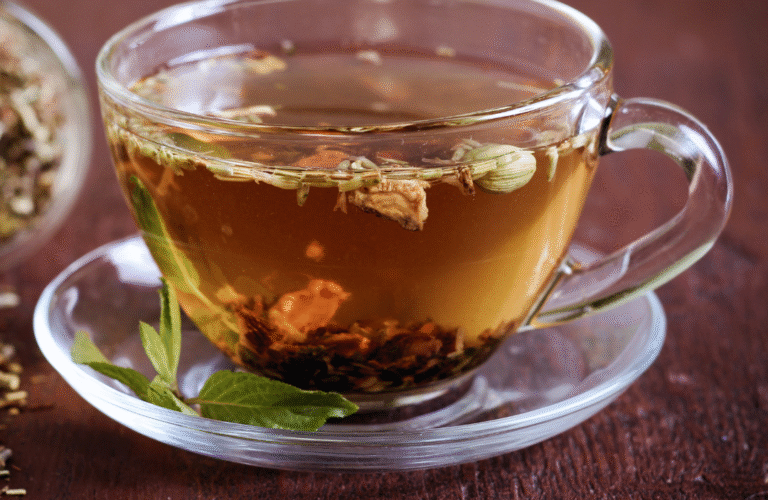
Herbal teas offer a simple and natural way to support everyday wellness. They are easy to prepare and can be tailored to individual needs by choosing different herbs for specific benefits.
To make herbal teas for daily use, it is essential to select quality herbs, steep them properly in hot water, and consume them fresh to maximise their effects. Many herbs such as chamomile, peppermint, and ginge,r are commonly used for their calming, digestive, and anti-inflammatory properties.
Understanding the basic process and using the right combinations ensures that herbal teas become a beneficial part of a daily routine without complexity or the need for special equipment.
The Essentials of Herbal Teas for Everyday Wellness
Herbal teas offer a range of benefits by incorporating various plants known for their health properties. Understanding their composition, choosing popular herbs, and sourcing quality ingredients are crucial steps to maximise their effectiveness.
Defining Herbal Teas and Their Benefits
Herbal teas are infusions made from herbs, flowers, or other plant materials, excluding the traditional tea leaves from Camellia sinensis used in black or green tea. They are naturally caffeine-free and often consumed for specific health benefits rather than just flavour.
Common benefits include digestive support from peppermint, relaxation from chamomile, and anti-inflammatory effects from turmeric. Herbal teas can aid hydration, soothe symptoms of stress, and provide antioxidants. Their effectiveness depends on the herb’s properties and the preparation method.
Popular Wellness Herbs and Botanicals
Several herbs are frequently used for everyday wellness:
- Peppermint: Eases digestion and reduces nausea.
- Chamomile: Promotes relaxation and helps with sleep.
- Lavender: Calms anxiety and supports sleep quality.
- Turmeric: Contains curcumin for inflammation.
- Lemon and mint: Refreshing blends to revitalise and support digestion.
These botanicals are valued not only for taste but also for scientifically backed effects in herbalism. Combining herbs carefully can address specific wellness needs.
Choosing High-Quality and Sustainable Ingredients
Quality herbs must be free from pesticides, contaminants, and harvested at peak potency. Organic certification and reputable suppliers, such as the Herbal Academy, ensure ingredients meet these standards.
Sustainability involves supporting ethical farming and avoiding overharvesting. Purchasing from local or certified sources reduces environmental impact. Proper storage, keeping herbs dry and sealed, preserves flavour and benefits. Using sustainable, high-grade ingredients directly impacts the quality and wellness benefits of herbal teas.
How to Make Herbal Teas at Home
Making herbal teas at home involves carefully choosing herbs, preparing them with the right methods, and using appropriate equipment. Proper storage ensures the tea retains its flavour and benefits over time.
Selecting Fresh and Dried Herbs
Choosing between fresh and dried herbs depends on availability and the desired taste. Fresh herbs offer a vibrant flavour but must be used quickly to avoid wilting. Common fresh herbs for tea include mint, lemon balm, and chamomile.
Dried herbs provide convenience and a concentrated flavour. They retain potency longer when stored in airtight containers away from light and moisture. When using dried herbs, use about one to two teaspoons per cup of hot water.
Combining fresh and dried herbs in tea blends can create customised flavours and effects. Always ensure herbs are food-grade and free from pesticides or contaminants.
Infusion and Decoction Methods
Infusion is suitable for delicate herbs like mint, chamomile, or lavender. It involves steeping herbs in hot water (not boiling) for 5 to 10 minutes to extract flavour and compounds gently.
Decoction is necessary for tougher plant parts such as roots, bark, or dried berries. These require simmering in water for 15 to 30 minutes to release their active ingredients effectively. This method extracts more robust flavours and properties.
Heaters or kettles with temperature control help manage infusion temperatures, usually around 80-90°C, while decoctions require boiling or simmering.
Using Teaware and Tea Strainers
Choosing the right teaware affects flavour clarity and ease of preparation. Glass teapots or heat-resistant mugs allow visual assessment of the brew’s strength and colour.
Tea strainers remove herb particles after steeping. Fine mesh strainers or infusers prevent small bits from entering the cup, providing a smoother experience. Some are reusable, while disposable ones are practical for single use.
Using an infuser enables brewing loose herbs without messy cleanup. It’s best to avoid plastic strainers at high temperatures to prevent chemical leaching.
Storage and Preservation Tips
Herbs should be stored in airtight, opaque containers to reduce exposure to air, light, and moisture. Glass jars with tight lids are ideal.
Dried herbs should be kept in a cool, dry place. Fresh herbs are best refrigerated in a loosely wrapped paper towel or jar with a small amount of water at the bottom.
Label containers with the date of purchase or harvest to monitor freshness. Proper storage maintains flavour and extends shelf life, helping homemade tea retain quality.
Creating and Customising Herbal Tea Blends
Understanding the components of herbal tea blends and how they interact enables better control over flavour and wellness benefits. Adjustments can be made to suit individual tastes and health goals through careful selection and combination of herbs.
Balancing Flavours and Aromas
Balancing herbal tea blends requires attention to dominant and subtle flavours. For example, strong herbs like peppermint or ginger should be paired with milder ones such as chamomile or lemon balm to avoid overpowering the blend.
Consider the aroma as well. Herbs like lavender add floral notes, while cinnamon provides warmth and spice. A simple ratio to follow is 2 parts mild herbs to 1 part stronger or aromatic herbs.
Sweet or bitter notes can be managed by varying amounts of liquorice root or dandelion. Testing small batches and adjusting according to personal preference helps achieve a balanced and enjoyable herbal tea.
Formulating Tea Blends for Specific Needs
Herbal tea blends can be tailored to address particular wellness objectives. For relaxation, chamomile combined with lemon balm and a touch of valerian creates a calming effect.
For digestion, including fennel, ginger, and peppermint, promotes stomach comfort. Energy-boosting blends often contain ginseng, rosemary, or yerba mate for mild stimulation without caffeine.
It is essential to verify the safety and potential interactions of herbs used, especially for those with pre-existing conditions or on medication. Formulating blends with clear purposes involves selecting herbs known for relevant properties and combining them in appropriate amounts.
Personalising Wellness Tea Recipes
Personalising herbal teas starts with tasting individual herbs separately to identify preferred flavours. Recording combinations in a tea blend recipe log helps refine favourite mixes over time.
Additions like dried fruits, citrus peels, or spices can enhance flavour complexity and provide additional health benefits. Adjusting steeping times and water temperature also affects the final profile of the tea.
Encourage experimentation within safe limits and gradual adjustments rather than large changes. Keeping blends simple enables easier recognition of how each component affects flavour and wellness.
Signature Herbal Tea Recipes for Daily Vitality
Herbal teas can target specific wellness needs with carefully chosen ingredients. These blends support immunity, aid digestion, promote relaxation, and provide natural energy.
Immune Support and Protective Teas
This category focuses on strengthening the body’s defences. A classic immune support tea uses elderberry, echinacea, astragalus, and rose hips. Elderberry offers antioxidants, echinacea can stimulate immune cells, and astragalus supports long-term immunity. Rose hips add vitamin C and a pleasant tartness.
Adding ginger root, turmeric root, and black pepper enhances anti-inflammatory effects. Black pepper improves turmeric’s bioavailability. Clove provides antimicrobial benefits and warmth to the blend. Brewing these ingredients together creates a robust, warming tea suited for cold seasons or daily immunity maintenance.
Digestive and Soothing Blends
Herbal teas that aid digestion often include fennel, liquorice root, dandelion root, and burdock root. Fennel helps reduce bloating and gas, while liquorice root soothes digestive discomfort. Dandelion and burdock roots promote liver detoxification and improve digestion overall.
Adding peppermint and chamomile provides calming effects on the stomach and eases indigestion. Peppermint relaxes the muscles of the gastrointestinal tract. Chamomile offers anti-spasmodic properties that soothe cramps. Combining these herbs supports comfortable digestion after meals.
Relaxing and Stress-Relief Infusions
Teas designed for relaxation use herbs that calm the mind and body. Lemon balm, lavender tea, chamomile, and peppermint are commonly included. Lemon balm reduces anxiety and promotes sleep. Lavender has gentle sedative properties to relieve tension.
Chamomile’s mild calming effects support restful sleep, while peppermint refreshes without overstimulating. These herbs can be brewed together or separately, depending on the desired intensity. A few dried flowers or leaves steeped in hot water provide effective stress relief in the evening.
Energising and Nutritional Teas
Natural energy boosts come from ingredients like yerba mate, rooibos, and turmeric root. Yerba mate contains caffeine for alertness without jitters. Rooibos offers antioxidants and a rich mineral content, supporting overall vitality.
Turmeric root adds anti-inflammatory benefits and a mild earthiness. Black pepper is also included to increase turmeric absorption. These teas provide a balanced, sustained lift while supplying nutrients that support long-term wellness. They can replace coffee or sugary drinks during busy days.