 Mila Jansen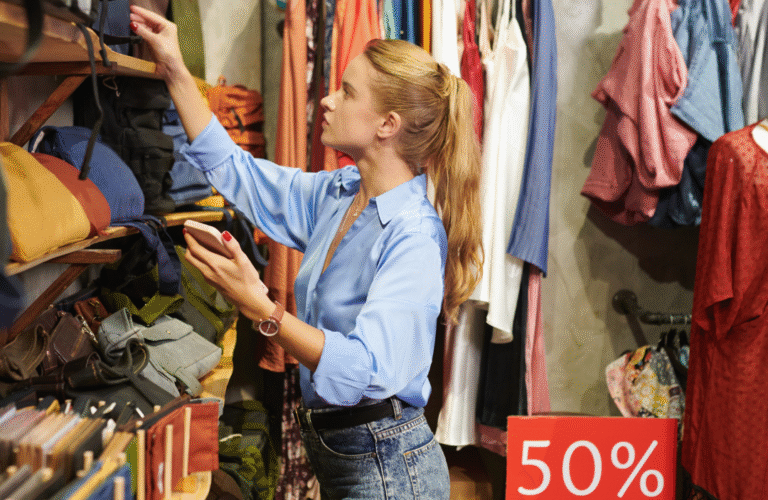
Dressing confidently on a budget is entirely possible with a few smart strategies. It involves choosing versatile pieces, focusing on fit, and prioritising quality over quantity. The key is to invest in timeless basics and accessorise thoughtfully, creating a polished look without overspending.
Many people assume dressing well requires a large budget, but careful shopping and understanding personal style can make a significant difference. Thrift shops, sales, and online deals offer great opportunities to find stylish items at lower costs.
By paying attention to fabric, colour coordination, and proper grooming, anyone can elevate their appearance. Confidence comes not just from expensive clothes but from how well an outfit suits the individual and feels comfortable.
Building Confidence Through Smart Wardrobe Choices
Choosing pieces that fit well, reflect personal style, and are part of a planned outfit strategy can elevate confidence without high costs. Paying attention to these specifics helps create a versatile and polished wardrobe.
Embracing the Right Fit for Your Body
Clothing that fits correctly is the foundation of confident dressing. Ill-fitting clothes, whether too tight or too loose, can undermine a polished look. Classic styles often emphasise clean lines and tailored cuts that flatter a range of body shapes.
When shopping on a budget, prioritise fit over brand. Simple alterations like hemming trousers or taking in a shirt can transform cheaper items into well-fitted clothes. Knowing your measurements and trying on different sizes improves the chances of finding garments that suit your shape.
Look for adjustable features such as waistbands or buttons to customise fit. Avoiding oversized or baggy clothes ensures sharper and more intentional outfit choices, which boosts confidence visibly.
Defining Your Personal Style
Having a clear personal style simplifies decision-making and builds confidence. He or she should identify key colours, patterns, and garment types that resonate with their lifestyle and preferences. Classic style provides a reliable foundation—think neutral colours, timeless cuts, and quality fabrics.
Creating a capsule wardrobe with versatile staples like a well-fitted blazer, dark jeans, and simple shirts minimises spending. Consistency in style choices means outfits mix and match easily, reducing daily uncertainty.
Tracking preferred brands and styles also helps spot sales on items that complement their existing wardrobe. Over time, this approach leads to a cohesive collection that feels intentional and boosts self-assurance.
Boosting Confidence with Outfit Planning
Planning outfits eliminates last-minute stress and ensures all pieces work harmoniously. He or she can organise clothes by combinations that fit the occasion, weather, and mood. Using a wardrobe organiser or app helps keep track.
Focusing on classic items such as tailored jackets, plain white shirts, and black trousers allows for multiple coordinated outfits. Adding accessories like belts or scarves that tie looks together is an affordable way to elevate style confidence.
Preparing outfits the night before also reduces wardrobe-related anxiety. Establishing this routine builds a positive association with dressing well, encouraging continued effort regardless of budget.
Curating a Stylish Wardrobe on a Budget
Building a wardrobe that looks polished and timeless does not require spending a fortune. Thoughtful organisation, recognising key items, and smart outfit combinations maximise style while staying affordable.
Editing and Organising Your Closet
Start by thoroughly assessing current clothing. Remove worn-out pieces or anything that no longer fits well. This reduces clutter and highlights what truly suits their style and body.
Organising by category—such as trousers, shirts, and outerwear—makes it easier to plan outfits and spot gaps. Using storage solutions like labelled boxes or slim hangers protects garments and conserves space.
A well-maintained, orderly wardrobe helps create a foundation for a classic style without impulsive purchases.
Identifying Essential Pieces
Focus on acquiring versatile basics that form the backbone of a classic wardrobe. Items like a well-fitted white shirt, dark des, a tailored blazer, and neutral-coloured shoes serve as reliable building blocks.
Quality matters more than quantity. Choosing durable fabrics like cotton, wool, or linen ensures longevity. Prioritise pieces that can transition from casual to semi-formal contexts easily.
Avoid trendy items that quickly go out of fashion. Instead, invest in timeless cuts and colours that complement most outfits.
Mixing and Matching for Maximum Versatility
Encouraging a mix-and-match approach stretches wardrobe options considerably. Pairing a navy blazer with khaki trousers, for example, creates multiple looks from fewer items.
Layering different textures and tones adds interest without extra expense. A grey cardigan over a crisp white shirt can change an outfit’s entire mood.
Creating a capsule collection around core colours such as navy, grey, black, and white facilitates easy coordination and reduces decision fatigue. This approach increases outfit combinations without increasing spending.
Maximising Value When Shopping
Finding the right balance between quality, style, and price is essential for dressing confidently on a budget. Smart shopping strategies can extend a wardrobe’s longevity and versatility without overspending.
Shopping Second-Hand and Vintage
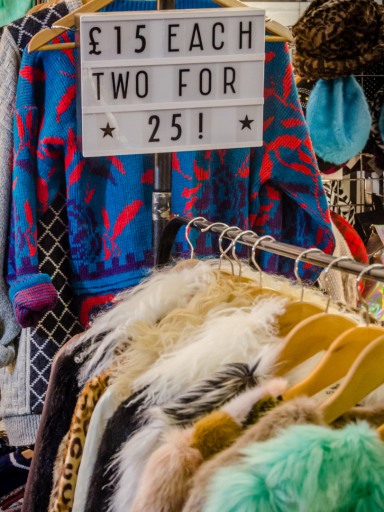
Buying second-hand and vintage items offers unique opportunities to find high-quality pieces at lower prices. Thrift stores, online marketplaces, and charity shops often hold hidden gems like well-made blazers or leather shoes that appear brand new with minimal wear.
Careful inspection of seams, fabric condition, and fit is crucial before purchase. Vintage stores specialising in specific eras also provide one-of-a-kind items that support sustainable fashion choices while creating a distinctive look.
Prioritising Timeless Investments
Allocating budget to timeless, versatile pieces pays off over time. Items like a classic white shirt, tailored trousers, or a neutral trench coat rarely go out of style and can be mixed with trendier accessories.
Focus on fabric quality and fit rather than brand names. Prioritise natural fibres such as cotton, wool, or linen for durability and comfort. Investing in a few key items reduces the need to buy frequently, saving money long term.
Taking Advantage of Sales and Discounts
Strategic shopping during sales events or taking advantage of discount codes can significantly reduce clothing expenses. Seasonal sales, end-of-line clearances, and loyalty programmes are useful opportunities to purchase higher-end items at a fraction of their original cost.
Create a list of essential items to avoid unnecessary impulse buys during sales. Signing up for newsletters from favourite brands can provide early access to exclusive discounts and flash sales.
Elevating Your Look With Details
Small adjustments and thoughtful additions can make budget outfits appear more polished and put together. These details improve fit and add personality without significant spending.
Affordable Tailoring and Alterations
Tailoring is one of the most effective ways to upgrade clothing. Even budget pieces benefit from adjustments like hemming, tapering sleeves, or taking in the waist. These changes create a customised fit that feels more intentional and flattering.
Local tailors or alteration services in dry cleaners often offer reasonable prices. Learning basic sewing skills, such as shortening hems or attaching buttons, also saves money. Prioritise altering staple items like jackets, trousers, and shirts for maximum impact.
A well-fitted garment looks higher quality regardless of its original price tag. Avoid costly custom tailoring by focusing on simple fixes that enhance overall appearance.
Incorporating Accessories Strategically
Accessories transform simple outfits into stylish ensembles. Key items include belts, watches, scarves, and minimalist jewellery. They add texture and interest while reflecting personal style.
Choose versatile accessories that match multiple outfits. For example, a neutral leather belt and classic watch work well across occasions. Avoid excessively trendy or cheap-looking items, which can detract from the outfit.
Thrift stores and online sales provide opportunities for affordable, quality accessories. Layering discreet pieces can create subtle sophistication without overdoing it. Each accessory should have a clear purpose in enhancing the overall look.